Hierve El Agua Location
EXPERIENCE AND VISIT
Beyond the Infinity Pool: A Local’s Guide to Reaching Hierve El Agua
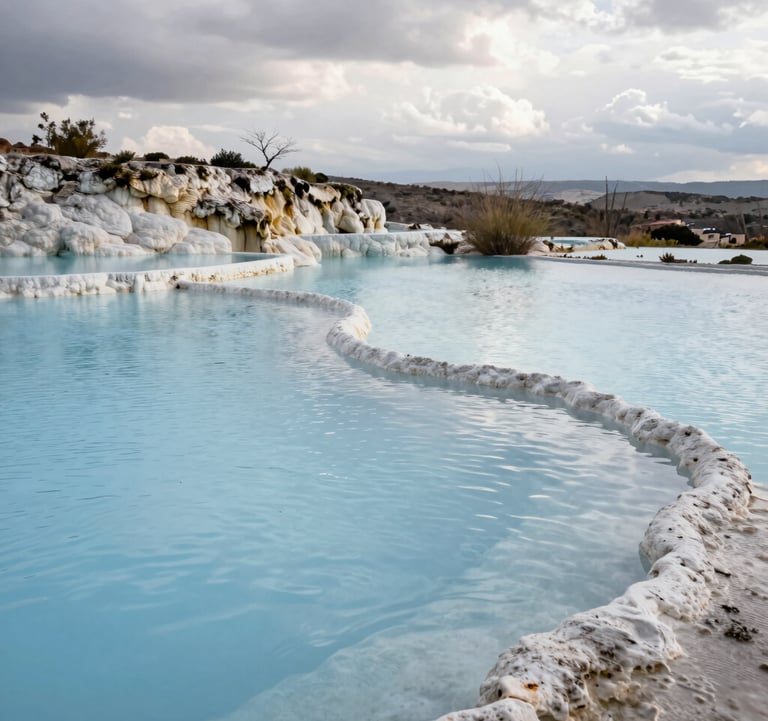
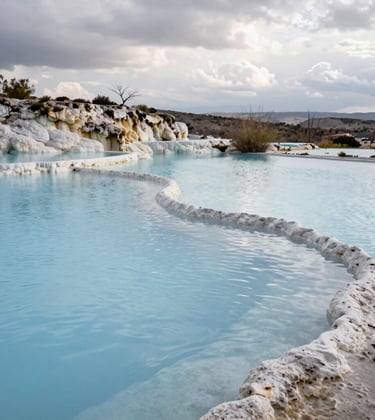
If you’ve spent more than ten minutes scrolling through photos of Oaxaca, you’ve seen it: a turquoise pool perched precariously on the edge of a cliff, overlooking a vast, cactus-studded valley. This is Hierve El Agua, and while the photos are stunning, they rarely capture the smell of roasting agave in the air as you drive past Matatlán or the bone-shaking rattle of a colectivo climbing the Sierra Norte.
As someone who has navigated these mountain roads more times than I can count, I can tell you that the "where" of Hierve El Agua is easy to find on a map, but the "how" is where most travelers get tripped up. Located about 70 kilometers (44 miles) east of Oaxaca City, this isn't a quick Uber ride. It’s a journey into the heart of the Central Valleys.
Where Exactly is Hierve El Agua?
Hierve El Agua is situated in the municipality of San Lorenzo Albarradas, within the state of Oaxaca, Mexico. It sits at an elevation of roughly 1,800 meters (5,900 feet). Geographically, it is part of the Sierra Madre del Sur, which explains the dramatic temperature drops and the winding, cliffside roads you’ll encounter on the way.
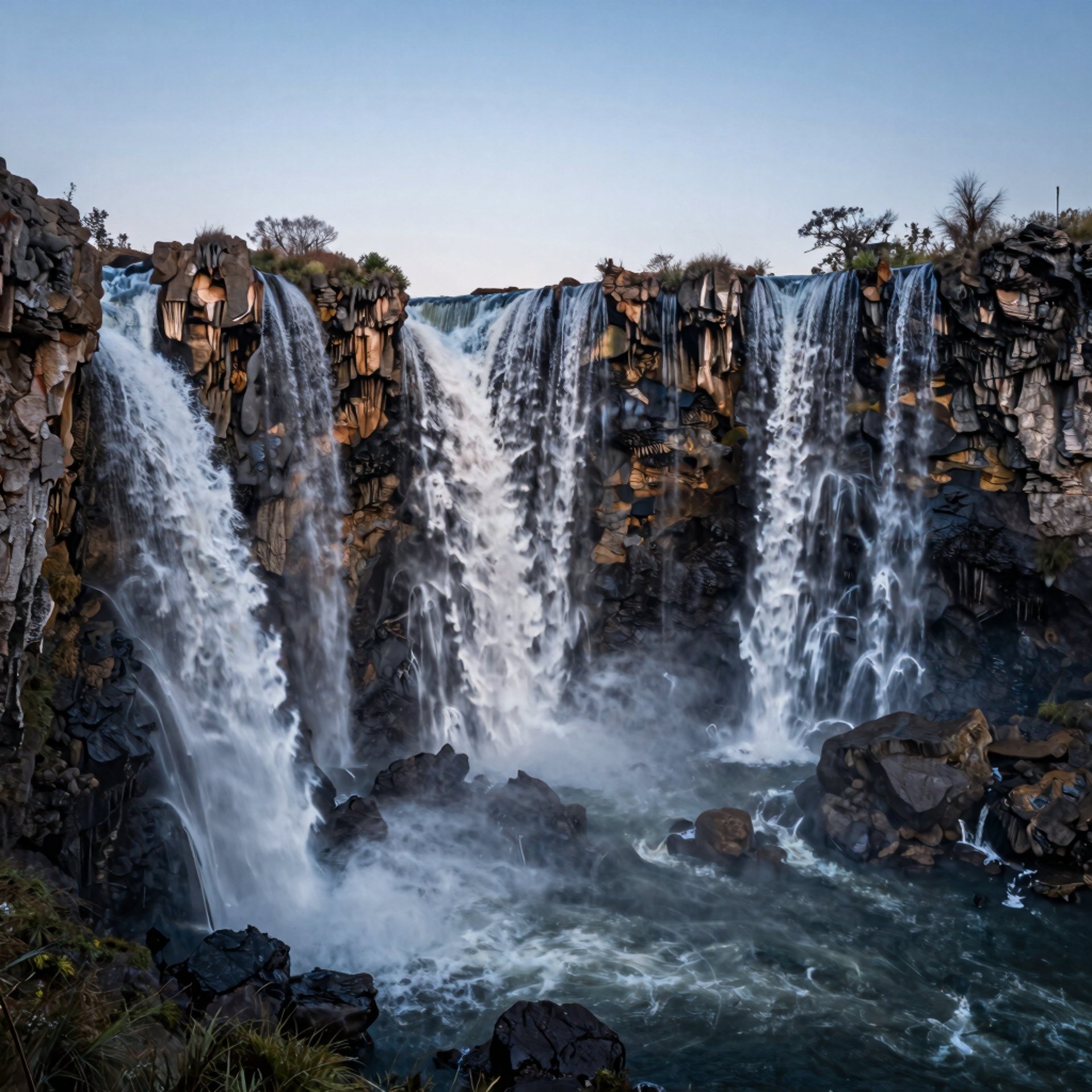
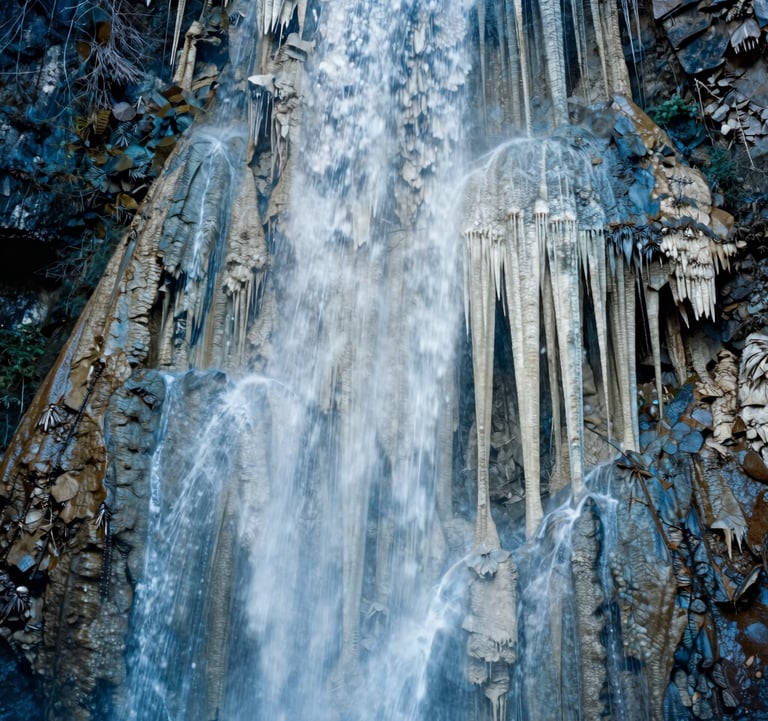
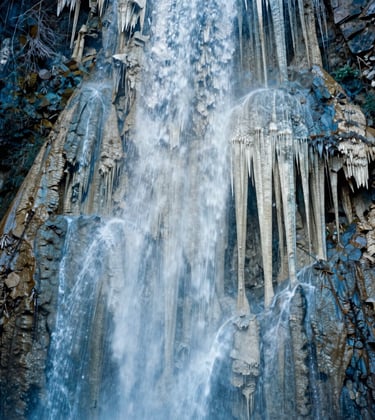
The site itself is a geological anomaly. The name translates to "the water boils," though the water is actually cool (around 22°C to 26°C). The "boiling" refers to the carbonated springs that bubble up from the earth, depositing calcium carbonate that has calcified over millennia into what look like massive, frozen waterfalls.
How to Get There: Choosing Your Adventure
The location of Hierve El Agua is remote enough that your choice of transport will define your entire day. Here is the "boots-on-the-ground" breakdown of your options in 2026.
1. The "Budget Maverick" Route (Public Transport)
This is for the traveler who wants to save pesos and doesn't mind a little dust in their hair.
Step A: Catch a bus or a shared taxi (colectivo) from Oaxaca City to the town of Mitla. You can find these near the Central de Abastos or the Estadio Eduardo Vasconcelos.
Step B: Once in Mitla, look for the "trucks" (mostly covered pickup trucks) parked near the bus stop. These are the only public transit options that climb the final, steep 45-minute stretch to the site.
Pro Tip: Don't wait for the "perfect" truck. They only leave when full (usually 10–12 people). Bring a light jacket; even in the heat of the day, the wind in the back of the truck can be chilly.
2. The Rental Car (Self-Drive)
If you value independence, renting a car is excellent, but be warned: the road past Mitla is paved but narrow, with hair-raising switchbacks.
The Route: Take Highway 190 East. You’ll pass the Tule Tree and several mezcal distilleries. Follow the signs for Mitla, then follow the specific "Hierve El Agua" signage.
+1
The Toll: There is a newer toll road that saves about 20 minutes, but many locals still use the old road. I recommend the toll road for safety and speed.
Warning: Do not drive this road at night. Cattle often wander onto the asphalt, and there is zero street lighting once you leave the valley floor.
3. The Guided Tour
The easiest way. Most tours depart Oaxaca City around 8:00 AM and bundle Hierve El Agua with a visit to a textile workshop in Teotitlán del Valle, the Mitla ruins, and a mezcal tasting.
The Downside: You will be at the pools at the same time as everyone else (usually between 11:00 AM and 1:00 PM). If you want that "empty pool" shot, a tour is not for you.
Sensory Guide: What to Expect Upon Arrival
When you step out of your vehicle at the entrance, the first thing you’ll notice isn't the water—it’s the scent. The air smells like dry earth, pine, and often, woodsmoke from the small stalls selling tlayudas and coco loco (coconuts spiked with mezcal).
The Hike
Most people stick to the top pools (Cascada Chica), but the real magic is the loop trail that takes you down into the valley and back up.
The Sound: As you descend, the chatter of the crowds fades, replaced by the crunch of limestone under your boots and the occasional call of a hawk.
The View: Looking up from the bottom of the "waterfalls" is the only way to truly grasp their scale. They are nearly 90 meters high.
Top 5 Navigation Tips for 2026
Cash is King: You will encounter at least two different "fees"—a community road fee (approx. 15–20 MXN) and the entrance fee to the site itself (approx. 50–70 MXN). Neither takes cards.
The "Sunrise" Strategy: If you have a rental car, leave Oaxaca City by 6:30 AM. Arriving at 8:00 AM allows you to see the valley as the mist clears—and before the tour buses arrive.
Water Levels: In the peak of the dry season (March–May), the pools can be lower. The best "mirror" effect happens right after the rainy season (November–January).
Sun Protection: There is almost no shade. The white mineral rock reflects the sun like snow. Wear a hat and biodegradable sunscreen to protect the pools.
Offline Maps: Download your Google Maps area for "Oaxaca to Hierve El Agua" before you leave. Cell service drops off completely once you start the mountain ascent.
FAQ: Everything You’re Wondering
1. Is Hierve El Agua actually open? Yes. While there were community disputes in years past, the site is currently open and managed by the local ejido of San Lorenzo Albarradas.
2. Can you swim in the pools? Yes! The water is refreshing and mineral-rich. Note that some smaller pools may be closed periodically for "resting" to preserve the minerals.
3. Is it safe for solo travelers? Absolutely. The route is well-traveled. Just stick to the main trails if you are hiking.
4. How long do I need there? If you just want to soak and take photos, 2 hours. If you want to do the full hiking loop and have lunch, plan for 4 hours at the site.
5. Are there bathrooms? Yes, near the entrance. They are basic (usually 5–10 MXN to enter), so bring your own tissue just in case.
6. What should I wear? Sturdy sandals (like Tevas) or sneakers. The rock surfaces around the pools are incredibly slippery when wet.
7. Can I bring my dog? Generally, pets are not allowed in the water or the immediate pool area to protect the mineral balance.
8. Is there food available? Yes, there is a row of "comedores" (small outdoor kitchens) at the entrance serving excellent Oaxacan staples like memelas and quesadillas.
9. Is it accessible for wheelchairs? The main viewpoint near the top pools is accessible via a relatively flat dirt path, but the rest of the site and the hiking trails are not.
10. Do I need a guide for the hike? It’s not required, but local guides are available at the entrance for a small tip. They can point out the ancient Zapotec irrigation canals that are easy to miss.
11. Is the water hot? No, it is "thermal" in the sense that it is warmer than the surrounding air in winter, but it is not a hot spring.
12. When is the best time of year to go? November to February offers the best balance of clear skies and full pools.
13. What is the "toll road" called? It is the 190D. It runs parallel to the free 190 road.
14. Are there snakes on the trail? It is a desert environment, so they exist. Stay on the marked trails and you’ll likely never see one.
15. Can I fly a drone? Currently, drone use requires a permit or a small additional fee at the entrance. Check with the staff upon arrival.
Ready to witness the petrified waterfalls?
The location of Hierve El Agua is more than just a pin on a map; it’s a gateway to the rugged, beautiful soul of Oaxaca. Whether you’re splashing in the infinity pools or hiking the valley floor, it's an experience that stays with you long after the dust has been washed off your boots.


HIERVE EL AGUA
© HierveElAgua.org - 2026.
This website is an independent guide created by nature enthusiasts and local Oaxaca experts. Please note that this is not the official website by the Oaxaca Municipality. Our mission is to provide high-quality information, historical context, and logistical support for visitors visiting Hierve El Agua nature wonder.
We take pride in only recommending and selling 100% official and authorized tickets sourced through licensed primary and secondary providers. By booking through our links, you ensure a valid, easy entry into the site. To support our local research and the maintenance of this guide, we may earn a small affiliate commission from your purchase.