OAXACAN CULTURE
DISCOVER
A GEOLOGIC MARVEL
Escape to the serene heights of the Oaxacan mountains. Hierve el Agua offers a peaceful retreat into nature, where ancient mineral springs and unique geological formations create a landscape of unparalleled beauty and contemplative wonder.
The Soul of the South: A Deep Dive into Oaxacan Culture, Roots, and Rituals
As a journalist who has spent years traversing the cobblestone streets of the Jalatlaco neighborhood and the dusty hills of the Mixteca, I’ve realized one thing: Oaxaca is not a place you simply visit; it is a place you absorb. It is a sensory overload of toasted chilies, the rhythmic thwack-thwack of hands shaping tortillas, and the vibrant, kaleidoscopic blur of a calenda (parade) passing by.
Oaxacan culture is a resilient, living tapestry. In 2026, while the world moves faster toward digitalization, Oaxaca remains stubbornly, beautifully tethered to its past. To understand this region is to understand a way of life where the community (tequio) is more important than the individual, and where every meal is a sacred link to the ancestors.
The Origins: A Mosaic of Sixteen Nations
To speak of "Oaxacan culture" as a single entity is a bit of a misnomer. Oaxaca is the most ethnically diverse state in Mexico. Its rugged geography—dominated by the convergence of the Sierra Madre del Sur and the Sierra Norte—created natural fortresses that allowed distinct indigenous groups to develop in relative isolation.
The Zapotecs and Mixtecs
The two most prominent groups are the Zapotecs (the "Cloud People") and the Mixtecs.
The Zapotecs: They built Monte Albán, one of the earliest cities in Mesoamerica. Their influence remains dominant in the Central Valleys and the Isthmus of Tehuantepec.
The Mixtecs: Known for their incredible craftsmanship in gold and codices, they dominate the western highlands.
In total, there are 16 recognized indigenous groups, each with its own language and customs. When you walk through the Tlacolula market on a Sunday, you aren’t just hearing Spanish; you are hearing the tonal melodies of Zapotec, Mixtec, and Chatino. This linguistic diversity is the bedrock of the state’s identity.
The Way of Life: Guelaguetza and Tequio
If you want to understand why Oaxacan society feels so cohesive despite its poverty, you need to understand two concepts: Guelaguetza and Tequio.
Guelaguetza (Reciprocity)
While most people know "Guelaguetza" as the famous dance festival held in July, the word actually means "to give" or "to share" in Zapotec. It is a system of mutual exchange. If a neighbor has a wedding, the community brings corn, mezcal, and labor. Years later, when your daughter marries, that neighbor returns the favor. It is a social insurance policy built on trust rather than banks.
Tequio (Community Labor)
Tequio is mandatory, unpaid community work. Whether it’s clearing a mountain path after a landslide or painting the village church, every able-bodied adult is expected to contribute. In many Oaxacan villages, you cannot hold a leadership position unless you have completed your tequio faithfully. It is a "boots-on-the-ground" democracy that predates the Spanish conquest.
The Fabric of Identity: Clothing and Textiles
In Oaxaca, what you wear is your ID card. The traditional female garment, the huipil (a loose-fitting tunic), tells the story of the wearer’s village, marital status, and social standing through its embroidery.
Regional Styles
The Isthmus of Tehuantepec: Famous for the "Tehuana" dress—massive floral embroidery on velvet, often paired with a lace headpiece called a resplandor. This was the style famously adopted by Frida Kahlo.
San Antonino Castillo Velasco: Known for "Hazme si puedes" (Make me if you can) embroidery—microscopic figures and flowers stitched with incredible precision.
The Triqui Region: Recognizable by vibrant red, floor-length huipiles that represent the physical and spiritual protection of the wearer.
The process of creating these garments is slow. In villages like Teotitlán del Valle, wool is still dyed using natural elements: cochineal (an insect that lives on cacti) for reds, indigo for blues, and wild pecan shells for browns. To wear a Oaxacan textile is to wear months of a weaver’s life.
The Culinary Capital: A Symphony of Seven Moles
If Oaxaca has a religion, it is food. The "Oaxacan Kitchen" is considered the soul of Mexican gastronomy. It is a cuisine of patience, where a single sauce might require 30 ingredients and two days of preparation.
The Seven Moles
Mole is not just a "chocolate sauce." It is a complex paste of chilies, nuts, seeds, and spices.
Mole Negro: The king. Rich, dark, and smoky, utilizing the rare chile chilhuacle.
Mole Colorado: Sweet and spicy with toasted sesame.
Mole Coloradito: A versatile "little red" mole.
Mole Amarillo: A bright, herbaceous yellow mole often found in empanadas.
Mole Verde: Fresh and vibrant, flavored with epazote and pumpkin seeds.
Mole Manchamanteles: The "table-cloth stainer," made with fruit like pineapple and plantain.
Mole Chichilo: The rarest, an earthy, dark mole made with charred tortilla ash.
Street Food Staples
You haven't experienced Oaxacan life until you've eaten at a market stall:
Tlayudas: Often called "Mexican pizza," these are large, crispy tortillas spread with asiento (pork lard), beans, cheese (Oaxacan string cheese, or quesillo), and grilled meats.
Memelas: Thick corn cakes topped with salsa and cheese—the breakfast of champions.
Chapulines: Toasted grasshoppers seasoned with lime, salt, and garlic. They are crunchy, acidic, and a vital source of protein that dates back to the Aztecs.
The Spirit: Mezcal
While Tequila is the commercial giant, Mezcal is the artisanal spirit of the Oaxacan people. "Para todo mal, mezcal; para todo bien, también" (For everything bad, mezcal; for everything good, as well). Unlike tequila, which is made from one type of agave, mezcal can be made from dozens of wild species (Espadín, Tobalá, Tepeztate), each offering a different terroir of smoke and earth.
Rituals and Festivities: The Calendar of the Heart
Life in Oaxaca is punctuated by the mayordomía—a system where a family is chosen to sponsor the patron saint's festival for the year. This often involves spending their life savings on food, fireworks, and music for the entire village.
Day of the Dead (Día de Muertos)
Nowhere is this celebrated more vibrantly than in Oaxaca. From October 31 to November 2, the barrier between the living and the dead dissolves. Cemeteries are filled with marigolds (cempasúchil), candlelight, and music. It isn’t a mourning period; it is a family reunion where the "guests of honor" happen to be deceased.
The Night of the Radishes (Noche de Rábanos)
Every December 23rd, the Zócalo (main square) fills with intricate sculptures carved entirely from oversized, specially grown radishes. It is a quirky, beautiful tradition that showcases the Oaxacan obsession with craftsmanship.
FAQ: Navigating Oaxacan Culture
1. Is it disrespectful to wear a huipil as a tourist? Generally, no, as long as it is worn with respect and purchased directly from an artisan. In fact, wearing local textiles is a great way to support the economy. Avoid "fast fashion" knock-offs.
2. Why is everything so loud? Between the cohetes (firecrackers) and the brass bands, Oaxaca is noisy. In local culture, noise is a sign of life and celebration. Embrace the volume!
3. What is the etiquette for visiting a mountain village? Always ask before taking photos of people. In some villages, tequio or community rules may restrict certain areas. A simple "Buen día" goes a long way.
4. Is the water safe to drink? No. Even locals drink bottled or filtered water (agua purificada).
5. Why are there so many protests? Oaxaca has a long history of social activism and teacher's unions. Protests (bloqueos) are a common way for communities to demand government attention. They are rarely dangerous to tourists but can cause traffic delays.
6. Can I buy "real" mezcal in the market? Yes, but the best way to buy it is to visit a palenque (distillery) in Matatlán or the surrounding valleys to see how it’s made.
7. What is the "Tule Tree"? Located just outside the city, it is the widest tree in the world—over 2,000 years old. It is a sacred landmark for the local community.
8. Do people still speak indigenous languages? Yes, over 30% of the population speaks an indigenous language as their first tongue. Spanish is the lingua franca for trade.
9. What is Quesillo? It is the famous Oaxacan string cheese. It is rolled into balls and has a salty, mozzarella-like flavor.
10. Is Oaxaca safe for solo travelers? It is one of the safest states in Mexico for travelers. The sense of community (the aforementioned tequio) creates a naturally watchful and protective environment.
11. What are Alebrijes? Intricately carved and painted wooden creatures from villages like San Martín Tilcajete. They represent spiritual guides or "nahuales."
12. When is the best time to visit for culture? July for the Guelaguetza or late October for Day of the Dead.
13. What is a Calenda? An street parade featuring giant papier-mâché puppets (monos), brass bands, and women dancing with baskets of flowers on their heads.
14. Are there beaches in Oaxaca? Yes, but the coast (Puerto Escondido, Mazunte) has a very different, more "laid-back" Afro-Mexican and surf culture compared to the highlands.
15. How do I say "Thank you" in Zapotec? It varies by dialect, but in the Central Valleys, it is often "Xpadiux."
The Oaxacan Spirit
To live the Oaxacan way is to accept that time is circular, not linear. It is to understand that a rug takes three months to weave, a mole takes three days to simmer, and a friendship lasts a lifetime. In 2026, the location of Oaxaca on a map is easy to find, but finding your way into its heart requires patience, an open mind, and perhaps a small glass of mezcal.
[Experience the Magic: Book a Local-Led Cultural Immersion]
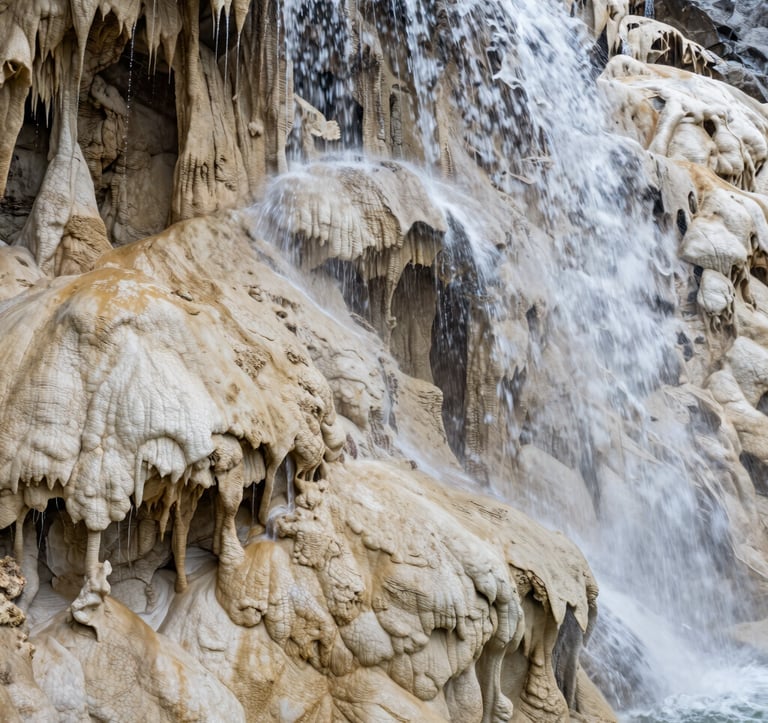
STONE CASCADES
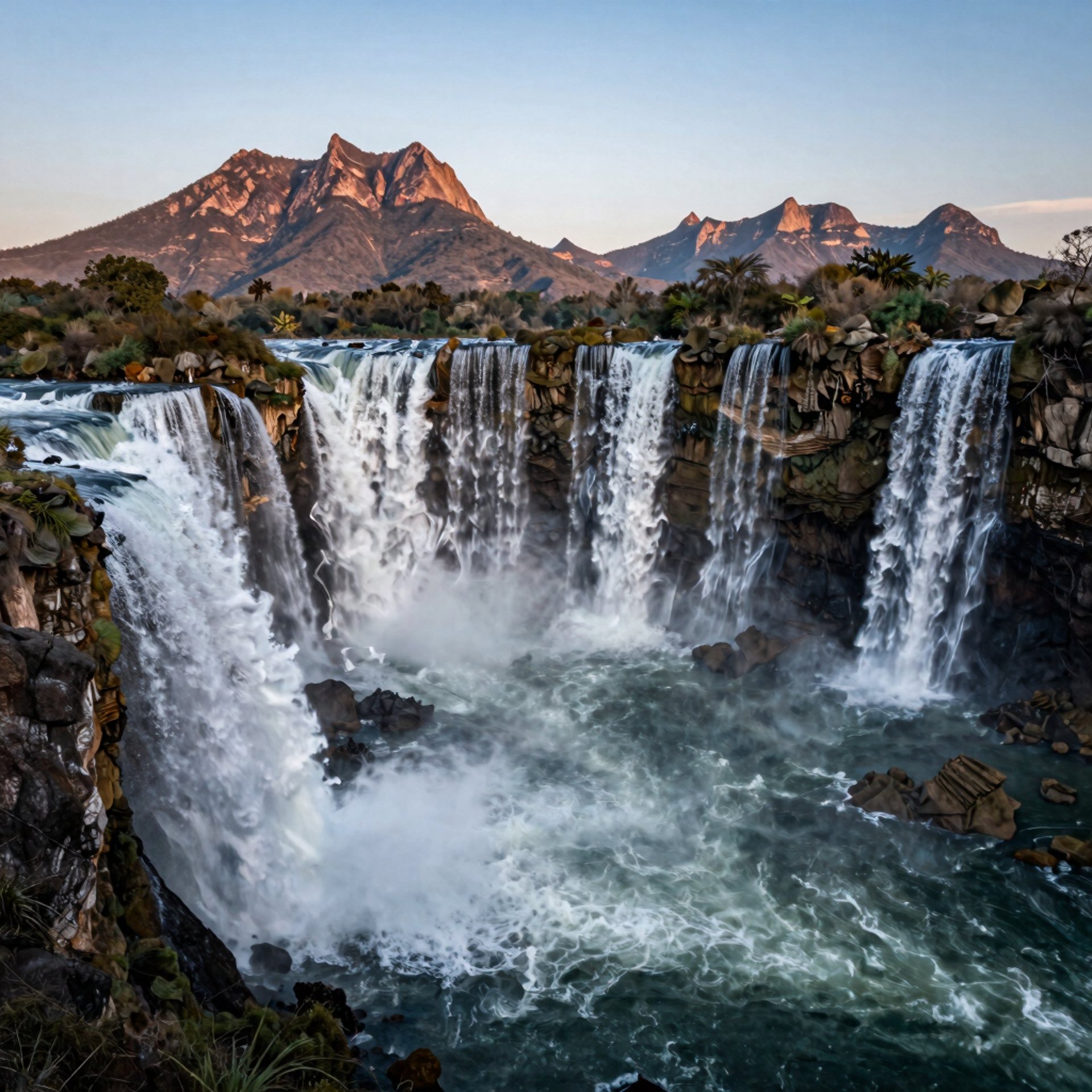
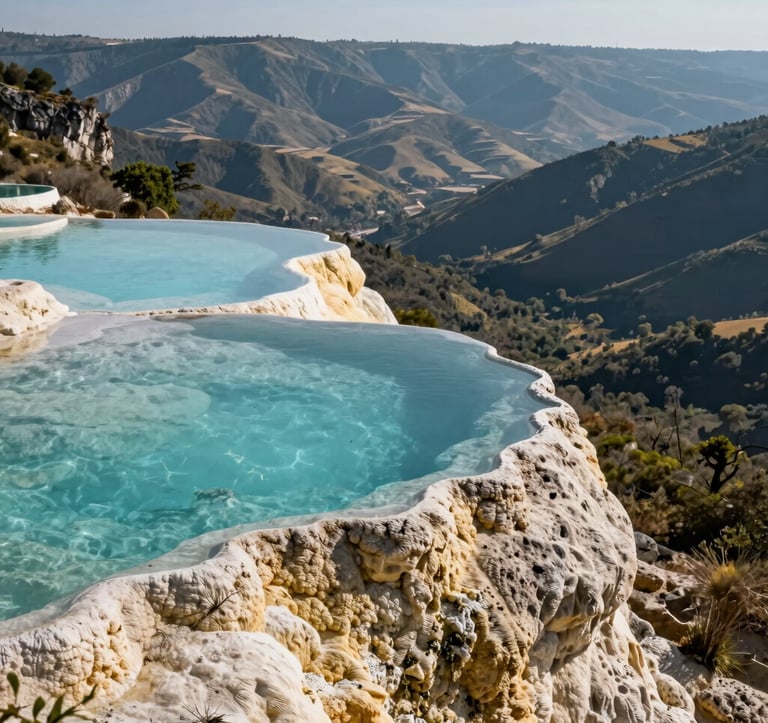
The petrified waterfalls of Hierve el Agua were formed over thousands of years by mineral-saturated water dripping over cliffs. This rare natural phenomenon creates a landscape that looks like frozen white cascades of stone.
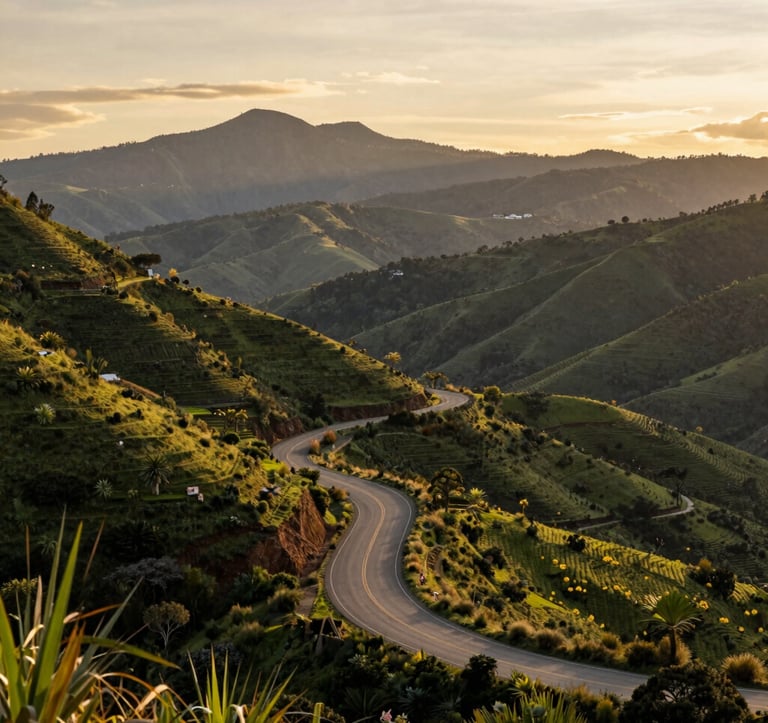
SCENIC JOURNEY
Reaching this hidden gem is part of the adventure. Located 70 kilometers from Oaxaca City, the journey takes you through traditional Zapotec villages and winding mountain roads with spectacular views of the Mexican highlands.
PURE POOLS
Relax in the natural infinity pools at the edge of the world. These mineral-rich waters are famous for their restorative qualities and offer a stunning view of the valley below, making it a perfect spot for deep contemplation.
PLAN YOUR TRIP
Experience the awe-inspiring scenery of Oaxaca. Explore the petrified waterfalls and swim in healing pools while soaking in the ancient beauty of Mexico.
$60
TOUR
HIERVE EL AGUA
© HierveElAgua.org - 2026.
This website is an independent guide created by nature enthusiasts and local Oaxaca experts. Please note that this is not the official website by the Oaxaca Municipality. Our mission is to provide high-quality information, historical context, and logistical support for visitors visiting Hierve El Agua nature wonder.
We take pride in only recommending and selling 100% official and authorized tickets sourced through licensed primary and secondary providers. By booking through our links, you ensure a valid, easy entry into the site. To support our local research and the maintenance of this guide, we may earn a small affiliate commission from your purchase.