OAXACA CITY
DISCOVER
Oaxaca Travel Guide: Culture, Food, History & Practical Tips
Few places anywhere deliver the sensory overload of Oaxaca. This corner of southern Mexico combines pre-Hispanic ruins, baroque churches, seven distinct moles, smoky mezcal, and 16 indigenous cultures into one compact, walkable destination. Whether you’re after world-class street food, contemporary art, or quiet moments in mountain villages, this guide covers exactly what you need to plan your trip.
Key Takeaways
Oaxaca is widely considered one of Mexico’s most important cultural and gastronomic centers, centered around Oaxaca de Juárez (Oaxaca City) and the surrounding Central Valleys at 1,550 meters above sea level.
Visitors come for world-class food (mole, tlayudas, mezcal), pre-Hispanic ruins like Monte Albán, colorful neighborhoods such as Jalatlaco, and unique festivals like Day of the Dead and Guelaguetza.
Four full days is an ideal first-time stay, with time for Oaxaca’s markets, museums, street food, mezcal tastings, and at least one or two day trips into the valleys.
The city is walkable but challenging (cobblestones, hills), largely cash-based, and best enjoyed at a slower pace—rushing defeats the purpose here.
This guide covers concrete suggestions: specific markets, restaurants, neighborhoods, seasonal events, and safety and logistical tips to help you plan efficiently.
Quick Orientation: What & Where Is Oaxaca?
Oaxaca refers both to a state in southern Mexico and its capital, Oaxaca de Juárez, set in the Central Valleys at about 1,550 meters (5,085 feet) above sea level. The city of Oaxaca sits in zapotec territory once dominated by the Zapotec and Mixtec civilizations, whose influence still shapes the region’s languages, crafts, and traditions.
The city of Oaxaca is known for its rich cultural heritage, being home to the highest number of indigenous cultures and languages in Mexico, which continue to influence its traditions and festivals. Oaxaca’s identity is shaped by its immense ethnic diversity, home to 16 different indigenous groups—primarily Zapotecs and Mixtecs—alongside colonial architecture and a thriving modern creative scene featuring street art, printmaking collectives, and mezcal bars.
The historic center of Oaxaca City alongside Monte Albán together form a world heritage site, inscribed by UNESCO in 1987. The year round temperate climate brings dry, warm days most of the year with cooler evenings due to elevation, making walking tours, rooftop sunsets, and day trips particularly appealing. Rainy season runs June through October, bringing afternoon showers but also lush green landscapes.
Unmissable Things To Do in Oaxaca City
This section answers the question every first-timer asks: what should I actually do in Oaxaca? The historic center packs most essential experiences within walking distance, from colonial churches to contemporary galleries to vibrant street life.
Key experiences include free walking tours, Zócalo people-watching, the Templo de Santo Domingo de Guzmán and its museum complex, street art in Jalatlaco, rooftop sunsets, and excellent coffee stops. Most of these can be reached on foot from the city center, making it easy to build a satisfying 3-4 day itinerary without stressing about transport.
Join a Free Walking Tour on Day One
Free walking tours (Guruwalk-style) typically last 2-3 hours and start around mid-morning near Teatro Macedonio Alcalá or the Zócalo. Tours run in both Spanish and English, covering main streets like Andador Macedonio Alcalá, key plazas, and major historic monuments zone highlights.
These tours give essential context on Oaxaca’s history, from the Spanish conquest through the Mexican Revolution and modern political movements. Your tour guide will point out restaurants, markets, and mezcalerías to return to later. Guides work for tips—200-500 pesos per person is fair depending on enjoyment and budget.
Soak Up Life in the Zócalo and Alameda
Plaza de la Constitución (the Zócalo), laid out in 1529, functions as the social heart of Oaxaca with arcades, a central bandstand, and constant street life. Adjacent Alameda de León offers shaded benches and a statue of Governor Antonio de León, ideal for an afternoon rest.
Visit after sunset to see live music, performers, informal parades, and families strolling. Events and peaceful demonstrations are common. Enjoy a drink at surrounding cafés while keeping an eye on bags—pickpocketing happens in crowds. The main square comes alive especially on weekends when street vendors sell snacks, crafts, and balloons.
Be Amazed by Templo de Santo Domingo de Guzmán
The Santo Domingo church (built roughly 1555-1666) stands as Oaxaca’s most spectacular baroque church, featuring lavish gold-leaf decoration and ornate chapels that took over a century to complete. The facade of green cantera stone glows at golden hour, making it prime for photos and evening gatherings.
Entry is free but visitors should dress modestly and remain quiet during services. Plan 20-30 minutes inside to admire the interiors. The former monastery next door now houses the Museo de las Culturas de Oaxaca and opens onto the Jardín Etnobotánico, allowing a half-day cultural visit from this single location.
Wander the Andador Macedonio Alcalá
Andador Macedonio Alcalá is a pedestrian-only stone street running between the Zócalo area and Santo Domingo, closed to traffic since the mid-1980s. Along this corridor you’ll find galleries, artisan shops, the former university building, and the Museo de Arte Contemporáneo de Oaxaca (MACO) displaying contemporary art.
Stroll both daytime (for shops, museums) and evening (for atmosphere, buskers, and lit facades). This street helps orient you to the historic center and is perfect for spotting rooftop terraces to revisit at sunset with mezcal in hand.
Explore Jalatlaco Neighborhood
Jalatlaco is a compact, cobblestoned barrio a short walk east of the center, known for colorful facades, murals, and a laid-back local feel. Visit in late morning or late afternoon for optimal light on street art, stopping at cafes, galleries, and mezcalerías.
Many businesses close early or entirely on Sunday, so plan visits Monday through Saturday for full options. Jalatlaco becomes especially atmospheric during Dia de los Muertos, with altars, sand tapetes (carpets), and candlelit streets transforming the neighborhood.
Visit the Museums: Museo de las Culturas & Textile Museum
The Museo de las Culturas de Oaxaca, housed in the former monastery adjacent to Santo Domingo, serves as the main history museum with artifacts from Monte Albán’s Tomb 7 and exhibits on regional indigenous cultures. Allow 1.5-2 hours here, noting bilingual signage, incredible cloisters, and valley views from upper windows.
Museo Textil de Oaxaca near the center offers free entry with rotating displays of traditional and contemporary textiles from across Oaxaca state. The textile museum takes about 30-45 minutes and appeals to anyone interested in weaving, embroidery, and indigenous dress traditions.
Catch Sunset on a Rooftop Terrace
Enjoy sunset from rooftops around Santo Domingo and the historic core. Upscale spots like Los Amantes offer terraces looking out over the church domes and surrounding hills—prime territory for mezcal cocktails or early dinner.
Reserve in advance for weekends and high season. Arrive 30-45 minutes before sunset to settle in, order a drink, and watch the sky change over the colonial city. Note that alcohol hits harder at this elevation, so pace yourself.
Food & Drink: Eating Your Way Around Oaxaca
Oaxaca is known as Mexico’s culinary capital, particularly famous for its variety of moles, which are complex sauces made from a blend of ingredients including chiles, spices, and chocolate. The city features everything from street food stalls to Michelin-starred establishments, with many top meals found in unassuming market stalls and modest fondas.
Reservations are essential at popular restaurants, and many smaller places only accept cash. Plan meals as carefully as you’d plan museum visits—the food here deserves that attention.
Eat Classic Street Food at Mercado 20 de Noviembre
The Mercado 20 de Noviembre, just south of the Zócalo, is known for its traditional Oaxacan street food. The famous “pasillo de humo” (hall of smoke) features charcoal-grilled meats and the unmistakable scent of tasajo (salted beef) and chorizo.
The Mercado 20 de Noviembre is recommended to visit on weekdays for a better experience—lunch crowds can overwhelm the aisles. Street food in Oaxaca is highly regarded, with popular options including tlayudas, tamales, and chapulines (fried grasshoppers), often found here alongside hot or cold Oaxacan chocolate.
The city offers a wide range of traditional foods, including tlayudas, which are large, crispy corn tortillas topped with ingredients like grilled meats, cheese, and vegetables. Pick a busy stall (a sign of freshness), order a combo plate, and pair it with cold cerveza or agua fresca.
Sample Markets & Street Snacks Beyond 20 de Noviembre
The Benito Juárez Market and Mercado 20 de Noviembre are two of the most famous local markets in Oaxaca, known for their variety of food and artisan products. Mercado Benito Juárez offers fresh produce, spices, quesillo (string cheese), and everyday goods plus quick snacks.
Try chapulines (seasoned grasshoppers with lime, chili peppers, and garlic), local cheeses, and fresh juices from street vendors. Mornings feel most local and less crowded. Carry small bills, be courteous when photographing stalls, and watch belongings in busy aisles.
Oaxacan cuisine features unique local drinks such as tejate, a traditional beverage made from corn, cacao, and mamey seeds, often referred to as the “drink of the gods”—look for women selling it from large clay vessels in the markets.
Brunch, Coffee & Casual Eats
Popular brunch spots in the center and surrounding barrios serve fresh juices and pastries alongside locally roasted coffee. These cafes make ideal stops after morning museum visits or Monte Alban excursions, with relaxed seating and Wi-Fi for planning your day.
Order local specialties like enfrijoladas, chilaquiles, or pan de yema with hot chocolate or café de olla. Weekends get busy—arrive early or expect to wait for a table during peak hours.
Seafood & Specialty Restaurants
Despite being inland, Oaxaca City has excellent seafood spots that fly in fresh fish and shellfish from the Pacific coast. A typical meal features ceviche, tostadas, grilled fish, and creative mezcal-based cocktails on a rooftop or terrace.
Prioritize at least one dedicated seafood lunch or dinner during your stay. Check opening hours (some close midweek) and book ahead for Friday and Saturday evenings at popular spots.
Michelin-Recognized & High-End Dining
The city features numerous high-end restaurants, including Michelin-starred establishments, which offer a range of traditional and contemporary Oaxacan dishes. Serious food travelers should plan at least one splurge meal, booking several weeks ahead in high season.
Expect tasting menus centered on regional moles, heirloom corn, native vegetables, and inventive desserts with local fruits and cacao. These meals cost more than typical Oaxacan dining but remain cheaper than comparable restaurants in North America or Europe.
Take a Hands-On Cooking Class
Oaxacan cooking classes typically last 6-8 hours, including a morning market visit, instruction in a family kitchen, and a full shared meal. Common recipes include various moles, handmade tortillas, salsas, tamales, and vegetarian-friendly dishes.
Support women-led or indigenous-owned cooking schools—many offer English-language classes and vegetarian options. Book at least a few days in advance and wear comfortable clothes, as you’ll be on your feet chopping, grinding, and cooking.
Do a Mezcal Tasting the Right Way
Over 90% of the world’s mezcal is produced in Oaxaca, where visitors can tour traditional distilleries called palenques. The spirit is distilled from over 200 agave species, producing a smoky profile distinct from tequila.
Start with a guided tasting at a reputable mezcalería to learn about agave varieties, aging categories (joven, reposado, añejo), and proper tasting techniques. Beginners should try lighter, less smoky expressions first, sipping slowly with orange slices and sal de gusano (worm salt).
Mezcal typically runs 40-55% ABV, and altitude intensifies effects. Drink plenty of water, eat beforehand, and pace tastings over an evening. Los Danzantes and similar establishments offer excellent introductions.
Day Trips from Oaxaca City
The Oaxaca Valley and surrounding mountains overflow with villages, ruins, and natural wonders easily reached on half-day or full-day trips. Transport options include organized tours, private drivers, colectivos, bikes, and public buses—each with different comfort and flexibility levels.
Travelers with 4+ days should aim for at least two day trips: Monte Albán plus one nature or craft-focused excursion. The region around Oaxaca offers numerous hiking opportunities, including trails in the Sierra Madre mountains, which provide breathtaking views and a chance to explore diverse flora and fauna.
Visit the Monte Albán Archaeological Site
Monte Albán is a pre-Hispanic city that was an ancient capital of the Zapotecs, founded around 500 BC and dominating the valley for over a millennium. Monte Albán, a pre-Hispanic city and ancient capital of the Zapotecs, was declared a UNESCO World Heritage Site in 1987, recognized for its significant archaeological and cultural value.
The archaeological site sits on a hilltop west of Oaxaca City, less than twenty minutes outside the city center. Broad plazas, pyramids, ball courts, and panoramic views await. Visit early morning to avoid heat and crowds, allowing 3-4 hours including transport and time to climb structures.
Hire a certified guide at the entrance for historical context on features like Tomb 7, or join a small-group tour combining the ruins with museum visits back in town.
Swim & Hike at Hierve el Agua
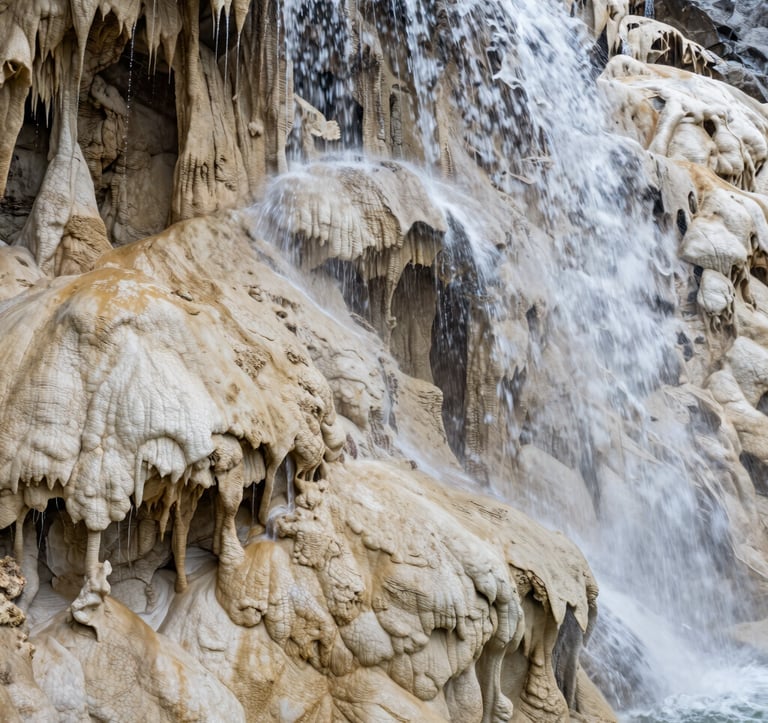
Hierve El Agua is a natural site featuring stunning rock formations and mineral springs, which has become a popular destination for visitors looking to experience the area’s natural beauty. The “frozen” petrified waterfalls cascade over cliffs about 1.5-2 hours southeast of the city.
Bring a swimsuit, sturdy shoes for cliff hikes, sun protection, and cash for snacks. Access is governed by local communities and can change—check conditions and consider community-run tours that benefit residents. The mineral pools offer refreshing swimming with dramatic el agua vistas.
See the Árbol del Tule in Santa María del Tule
Santa María del Tule, about 15-20 minutes east by taxi or bus, hosts a Montezuma cypress tree famed as one of the widest in the world. The Árbol del Tule is estimated over 2,000 years old with a trunk measuring 14.5 meters in diameter, holding spiritual significance for local Zapotec people.
Combine the visit with lunch at the small town’s gastronomic market. Morning or late afternoon offers best price on tour combos and avoids midday sun for photographing the tree’s massive trunk from different vantage points.
Sunday at Tlacolula Market
The Tlacolula Market, which takes place on Sundays, is an indigenous market located about 40 minutes outside of Oaxaca City, offering artisan goods and local eats. This sprawling market features produce, livestock, textiles, tools, and prepared foods from surrounding villages.
Arrive early to beat crowds. Try barbacoa, lamb or goat stews, and freshly made tortillas in the food areas. Vendors and shoppers often wear traditional dress from their communities. Watch for pickpocketing in dense crowds—use money belts and zipped bags.
Textiles & Hiking in Teotitlán del Valle
Teotitlán del Valle is a weaving village toward the eastern valleys, known for wool rugs, natural dyes, and family workshops. Oaxaca is home to artisan villages specializing in unique crafts passed down through generations, and Teotitlán exemplifies this tradition.
Watch demonstrations of dyeing with cochineal insects, indigo, and local plants. Buy directly from artisans where possible. The surrounding hills offer hiking trails with valley views. Arrange a private driver or guided tour visiting specific families rather than only larger showrooms.
San José del Pacífico & the Sierra Sur
San José del Pacífico is a small town around 2,300 meters above sea level in the Sierra Madre del Sur, known for cloud-forest views and, controversially, psychedelic mushroom retreats during rainy season (July-October).
Research thoroughly before considering ceremonies, prioritizing reputable community-based retreats respecting local customs. Even without ceremonies, the area offers cool mountain air, cabins, hiking, and a break from city noise. The Sierra Madre region provides a completely different landscape from the valleys below.
Art, Culture & Festivals
Oaxaca’s creative scene spans ancient crafts, modern street art, and vibrant annual festivals rooted in indigenous traditions and Catholic practices. Three pillars define the experience: printmaking and murals, traditional crafts in nearby villages, and major festivals that draw visitors from around the world.
Street Art & Printmaking Workshops
Following political movements in the 2000s (particularly the 2006 teacher strikes), Oaxaca became a hub for socially engaged printmaking and murals. Collectives use linocuts, woodblocks, and wheatpaste to address social issues, with work visible throughout the historic center and independent galleries.
Join a street art bike tour or walking tour to see key murals in Jalatlaco and along lesser-known streets. Short printmaking workshops let you create your own linocut and understand the movement’s significance.
Traditional Crafts & Shopping
Key craft centers surround Oaxaca: black pottery (barro negro) from San Bartolo Coyotepec, alebrijes (colorful wooden carvings) from San Martin Tilcajete, and woven textiles from Teotitlán del Valle. Indigenous women often lead these family workshops, continuing techniques passed through generations.
Buy directly from family workshops and cooperatives to ensure fair pay and authentic pieces. Leave luggage room or arrange shipping for larger items like rugs or ceramics. Watching artisans burnish clay or work pedal looms adds depth to purchases.
Festivals: Guelaguetza, Night of the Radishes & More
The Guelaguetza festival, rooted in pre-Hispanic traditions, celebrates the cultural diversity of Oaxaca and has evolved into a major event featuring traditional dances, music, and regional cuisine. The Guelaguetza, also known as the Fiestas de los Lunes del Cerro, is a significant cultural event in Oaxaca with origins in pre-Hispanic times, celebrated on the Mondays of July at the Cerro del Fortín amphitheater.
The “Noche de Rábano” or Night of the Radishes is a unique tradition in Oaxaca where artisans create intricate designs from large radishes, celebrated annually on December 23 in the Zócalo. December also brings calendas (parades) with giant puppets, brass bands, and fireworks.
Book accommodations months ahead for these festivals—rooms and transport sell out quickly.
Day of the Dead in Oaxaca
The Day of the Dead (Día de los Muertos) celebration in Oaxaca occurs from October 31 to November 2, attracting many tourists to experience the vibrant festivities. Families honor ancestors with altars, marigolds, candles, and food offerings throughout the city.
Oaxaca City fills with parades, comparsas (costumed processions), sand carpets, and candlelit cemetery visits in places like Xoxocotlán. Behave respectfully: no flash photography in cemeteries without permission, quiet voices, and awareness that this is a spiritual event, not just a party.
Reserve hotels, restaurants, and tours many months ahead. Expect higher prices and larger crowds, but the experience is worth visiting Oaxaca specifically during this period.
Beaches & Coastal Getaways
While Oaxaca City is inland, Oaxaca state’s Pacific coast offers surfing, sea turtles, and relaxed beach towns. Many travelers combine 3-5 days on the coast before or after their time in the capital.
Transport options include overnight ADO buses, newer highway routes, or short domestic flights from Oaxaca airport to coastal airports.
Puerto Escondido, Mazunte, Zipolite & Huatulco
Puerto Escondido suits surfers (Zicatela’s big waves) and digital nomads, with a growing restaurant scene and beginner-friendly breaks at Carrizalillo. Mazunte offers bohemian yoga retreats and turtle conservation in a smaller setting.
Zipolite is Mexico’s only legal nude beach, known for its alternative, free-spirited culture. Huatulco provides resort-style stays with calm bays suited to families and snorkeling—the largest city on this stretch of coast.
Getting from Oaxaca City to the Coast
ADO and other bus companies run daytime and overnight services, with winding mountain roads that can cause motion sickness. Pack medication and book more comfortable classes when possible. New highway improvements have reduced travel times somewhat.
Short flights from OAX to Huatulco or Puerto Escondido exist but schedules are limited and pricier. Factor travel days into itineraries to avoid arriving exhausted at either destination.
Practical Tips for Visiting Oaxaca
This section covers what you need to know about safety, money, clothing, and daily life in Mexico Oaxaca before you arrive.
Footwear, Sidewalks & Mobility
The historic center has cobblestone streets, cracked sidewalks, steep curbs, and uneven surfaces from tree roots. Good walking shoes or sandals with grip are essential, especially for Monte Albán and hilly viewpoints.
The city is not fully accessible; travelers with mobility issues should plan shorter walking days and use taxis. Pack a small flashlight for poorly lit evening sidewalks.
Money: Cash, ATMs & Tipping
Cash (Mexican pesos) remains king in markets, street food stands, and many restaurants. Withdraw from bank ATMs in the center early in your trip. Carry small bills—street vendors often can’t break large notes.
Tip roughly 10-15% in sit-down restaurants, small amounts for guides and drivers, and daily tips for housekeepers. Avoid airport currency exchanges; ATMs offer best price on exchange rates.
What to Pack: Clothing & Sun Protection
Expect warm days, cooler evenings, and possible rain June through October. Pack lightweight layers, a light jacket for nights, comfortable walking clothes, a hat, and strong sunscreen.
Dress codes are generally casual, though modest attire is appreciated in churches and rural areas. Bring a reusable water bottle, sunglasses, and possibly a rain jacket during wet months.
Food, Water & Staying Healthy
Tap water is not safe to drink—use bottled or filtered water for drinking and brushing teeth. Most restaurants use purified water for ice (round cubes with holes indicate purification).
Try street food from busy vendors with high turnover, choosing cooked dishes served hot. Carry basic medicines for stomach issues and sun exposure. Consider travel insurance covering medical care.
Language, Etiquette & Pace of Life
Spanish is the primary language, with indigenous languages also common. Many vendors and guides speak English, but learning basic Spanish phrases builds rapport. The federal government officially recognizes Oaxaca’s linguistic diversity.
Service follows a slower pace than North America or Europe. Ask permission before photographing people, altars, or artisans. Benito Juarez, Mexico’s first indigenous president, hailed from Oaxaca—indigenous roots run deep here and deserve respect.
Traffic, Noise & Safety Basics
Oaxaca City is generally safe, with petty theft the main concern in crowded areas. Use official taxis or ride-hailing apps after dark. Traffic is chaotic—cross carefully at lights and never assume cars will stop.
The historic center can be noisy from traffic, music, and fireworks. Pack earplugs if you’re a light sleeper. Casa Oaxaca and similar hotels in quieter courtyards help buffer noise.
Planning Your Trip: When to Go, Where to Stay & Getting There
This section helps you choose travel dates, neighborhoods, and transport into Oaxaca City.
How Long to Stay in Oaxaca
A minimum of 3 nights (4 full days) covers central highlights, a major ruin, at least one day trip, and relaxed eating. Plan 5-7 nights to add rural villages, art workshops, or mountain excursions without rushing.
Slow travelers often stay weeks or months, using the city as a base. Factor travel time if combining Mexico City, the coast, or Puebla in one trip.
Where to Stay in Oaxaca City
The historic center around the Zócalo and Santo Domingo offers most convenience for first-timers, with major sights on foot. Jalatlaco provides a quieter, more local feel while remaining walkable.
Hostels suit budget travelers; boutique hotels and B&Bs work for mid-range comfort; design hotels with courtyards and rooftops serve higher budgets. Book months ahead for festivals, checking reviews for noise and Wi-Fi reliability.
Getting to Oaxaca: Flights & Buses
Oaxaca International Airport (OAX) serves direct flights from Mexico City and select Mexican hubs, plus limited U.S. connections. Taxis and shuttles reach the city center in 20-30 minutes.
ADO buses connect Oaxaca with Mexico City (6-7 hours), Puebla, and other cities via the central terminal. Book online during busy periods and choose comfortable classes for mountain routes. Las Casas and similar companies also run tourist shuttles.
Ricardo Flores Magón, another Oaxacan revolutionary figure, represents the region’s history of political activism that continues influencing its art and culture today.
FAQ
Is Oaxaca safe for solo travelers, including women?
Oaxaca City ranks among Mexico’s safer cultural destinations, with many solo travelers and women visiting annually. Stick to well-lit streets at night, use taxis after dark, and avoid heavy intoxication in unfamiliar bars.
Choose reputable accommodation with good reviews and trust your instincts. Most issues involve petty theft; violent incidents are rare in tourist areas but awareness matters.
How much should I budget per day in Oaxaca?
Daily costs vary widely. Budget travelers managing around 500-800 MXN daily can handle hostels, market food, and public transport. Mid-range visitors spending 1,200-2,000 MXN enjoy hotels, restaurants, and tours.
Street food remains affordable while tasting menus increase expenses significantly. Budget extra for crafts, textiles, and mezcal—most visitors buy more than expected.
Will I have good internet and mobile coverage in Oaxaca?
Oaxaca City has reliable 4G service and Wi-Fi in most hotels and cafes, suitable for typical travel needs and remote work. Speeds may drop during peak hours or in older buildings.
Buy a local SIM card for better coverage if staying more than a few days. Download maps and translation apps offline before heading to rural areas—some villages have patchy reception.
Can vegetarians and vegans eat well in Oaxaca?
While famous for meat dishes and lard-based moles, Oaxaca has a growing vegetarian and vegan scene in the capital. Many cafes and modern restaurants offer plant-based plates using beans, corn, squash, greens, and mushrooms.
Clearly ask if broths, moles, and refried beans contain meat or lard—recipes vary. Research veggie-friendly spots in advance and consider a vegetarian cooking class.
Do I need to speak Spanish to enjoy Oaxaca?
Basic English works in central tourist areas, hotels, and some restaurants, but Spanish helps significantly elsewhere. Learn key phrases for ordering food, asking directions, and negotiating prices.
Guided tours often have English options—confirm language beforehand. Use translation apps offline and carry written addresses for taxi drivers who may not speak English.
STONE CASCADES
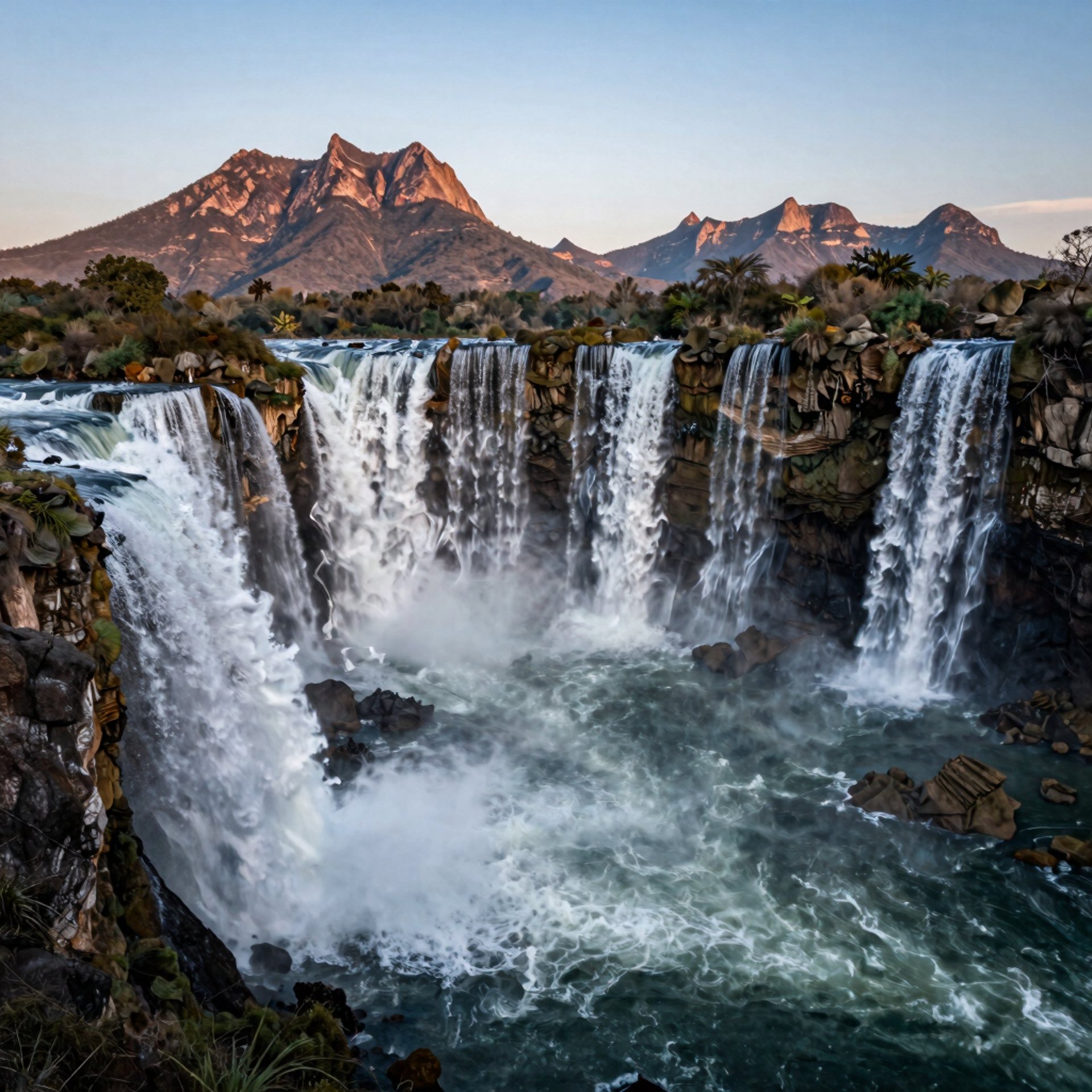
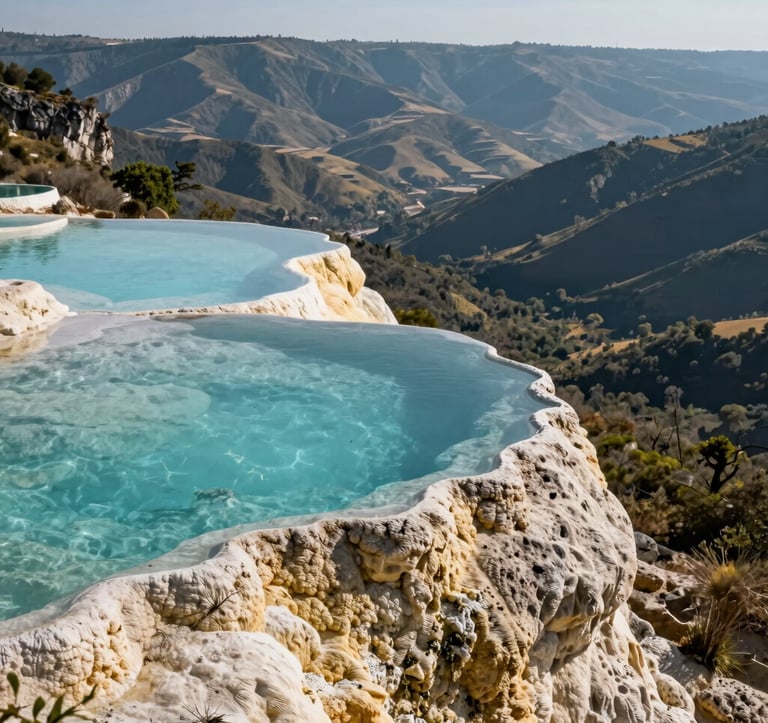
The petrified waterfalls of Hierve el Agua were formed over thousands of years by mineral-saturated water dripping over cliffs. This rare natural phenomenon creates a landscape that looks like frozen white cascades of stone.
SCENIC JOURNEY
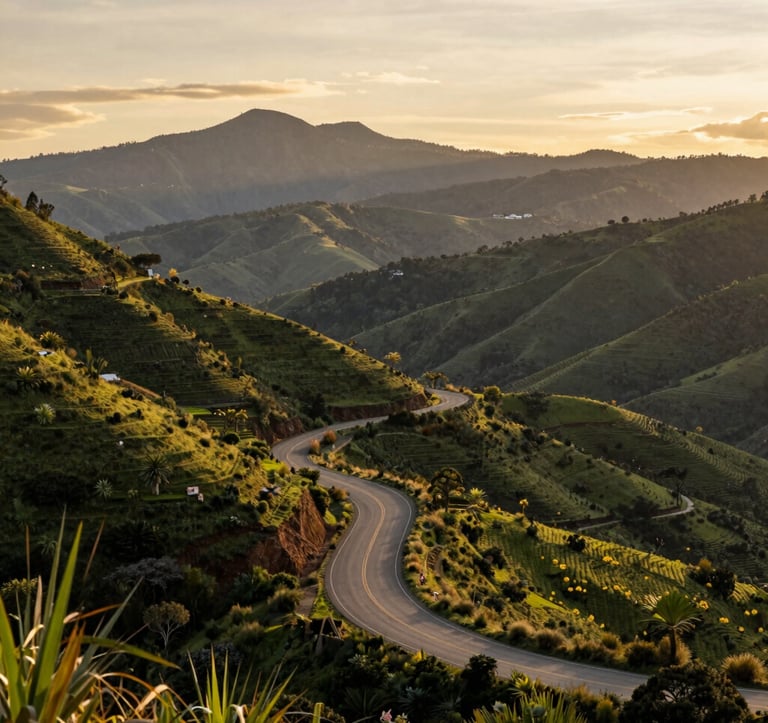
Reaching this hidden gem is part of the adventure. Located 70 kilometers from Oaxaca City, the journey takes you through traditional Zapotec villages and winding mountain roads with spectacular views of the Mexican highlands.
PURE POOLS
Relax in the natural infinity pools at the edge of the world. These mineral-rich waters are famous for their restorative qualities and offer a stunning view of the valley below, making it a perfect spot for deep contemplation.
PLAN YOUR TRIP
Experience the awe-inspiring scenery of Oaxaca. Explore the petrified waterfalls and swim in healing pools while soaking in the ancient beauty of Mexico.
$60
TOUR
HIERVE EL AGUA
© HierveElAgua.org - 2026.
This website is an independent guide created by nature enthusiasts and local Oaxaca experts. Please note that this is not the official website by the Oaxaca Municipality. Our mission is to provide high-quality information, historical context, and logistical support for visitors visiting Hierve El Agua nature wonder.
We take pride in only recommending and selling 100% official and authorized tickets sourced through licensed primary and secondary providers. By booking through our links, you ensure a valid, easy entry into the site. To support our local research and the maintenance of this guide, we may earn a small affiliate commission from your purchase.